Asbestos Transite Tear-Off and PABCO Cascade Shingle Reroof
February 2026 · Fullerton
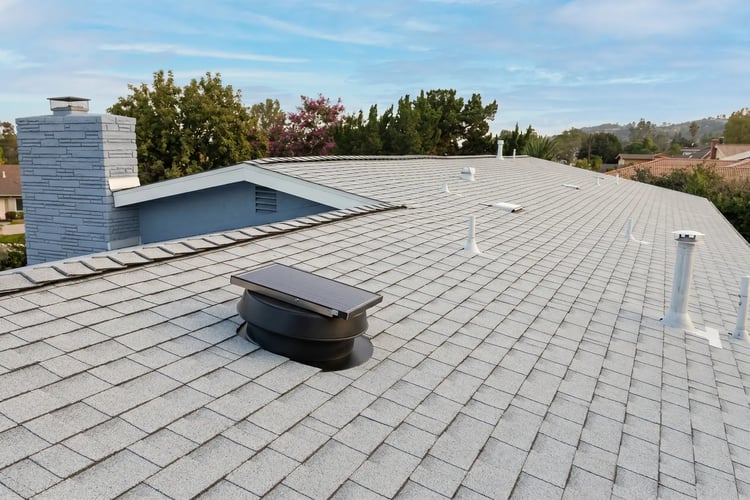
A full tear-off and reroof of a single-story Tudor cottage that still carried an original asbestos transite tile roof. We coordinated licensed abatement, re-sheeted the deck, then installed PABCO Cascade shingles with copper valleys.
Asbestos transite tear-off and PABCO Cascade shingle roof replacement
Location
Fullerton, Orange County
Home type
Single-story storybook Tudor Revival cottage, stucco with brick accents
Timeline
January to February 2026, about four weeks on site
Materials
PABCO Cascade shingles (Oakwood), GAF Deck Defense, copper valley flashing
Scope
Asbestos transite tear-off, deck re-sheet, full reroof, attic radiant barrier
About This Project
Some Roofs Can't Just Be Torn Off
Some roofs can't just be torn off. This one is a good example. When the homeowner called us about a tired roof on a single-story storybook Tudor cottage, the first thing we recognized from the ground was the roof covering itself: an old transite tile, the kind of cementitious shingle that was commonly made with asbestos.
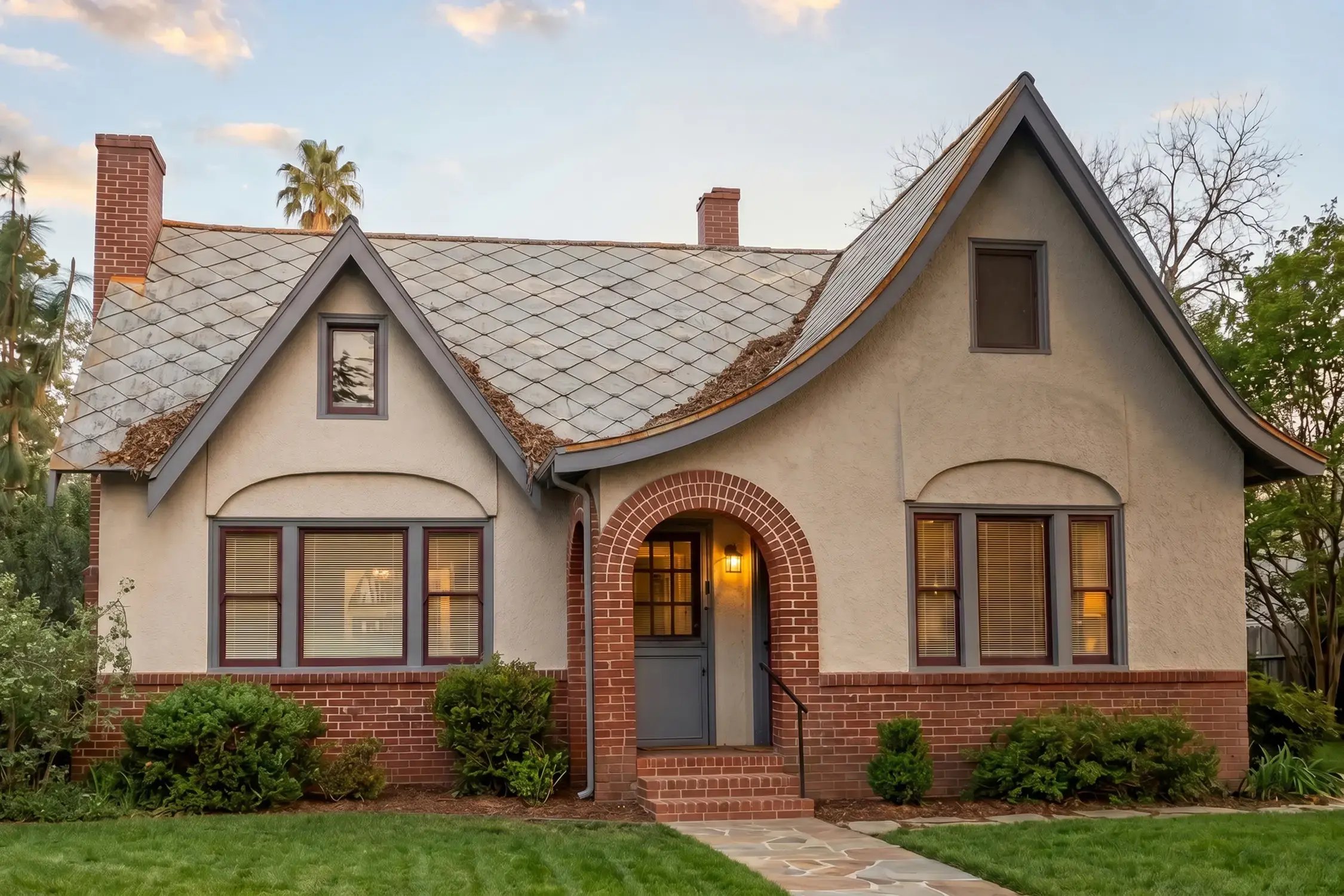
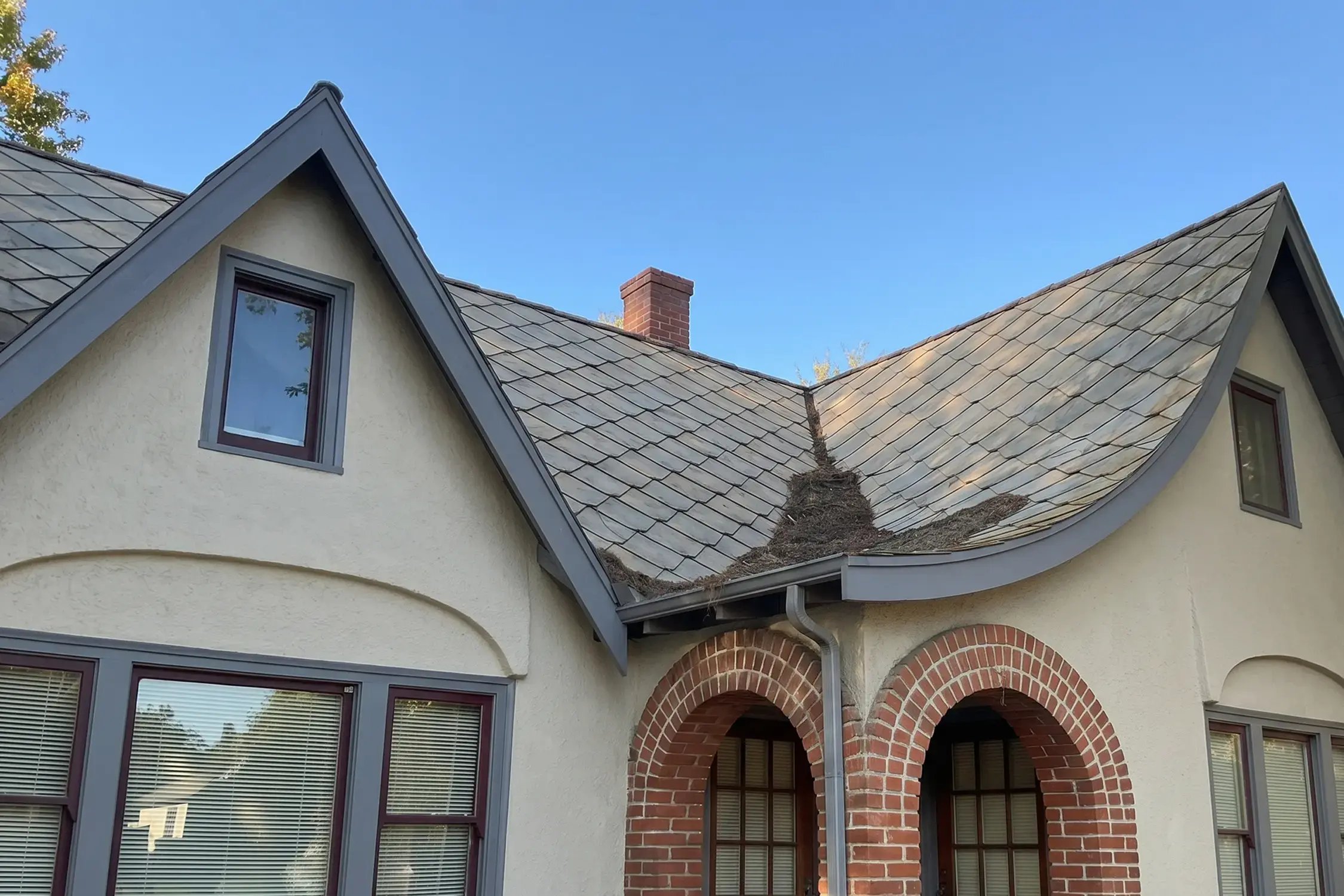
Before The original transite tile roof, worn thin at the ridges with debris settling into the valleys.
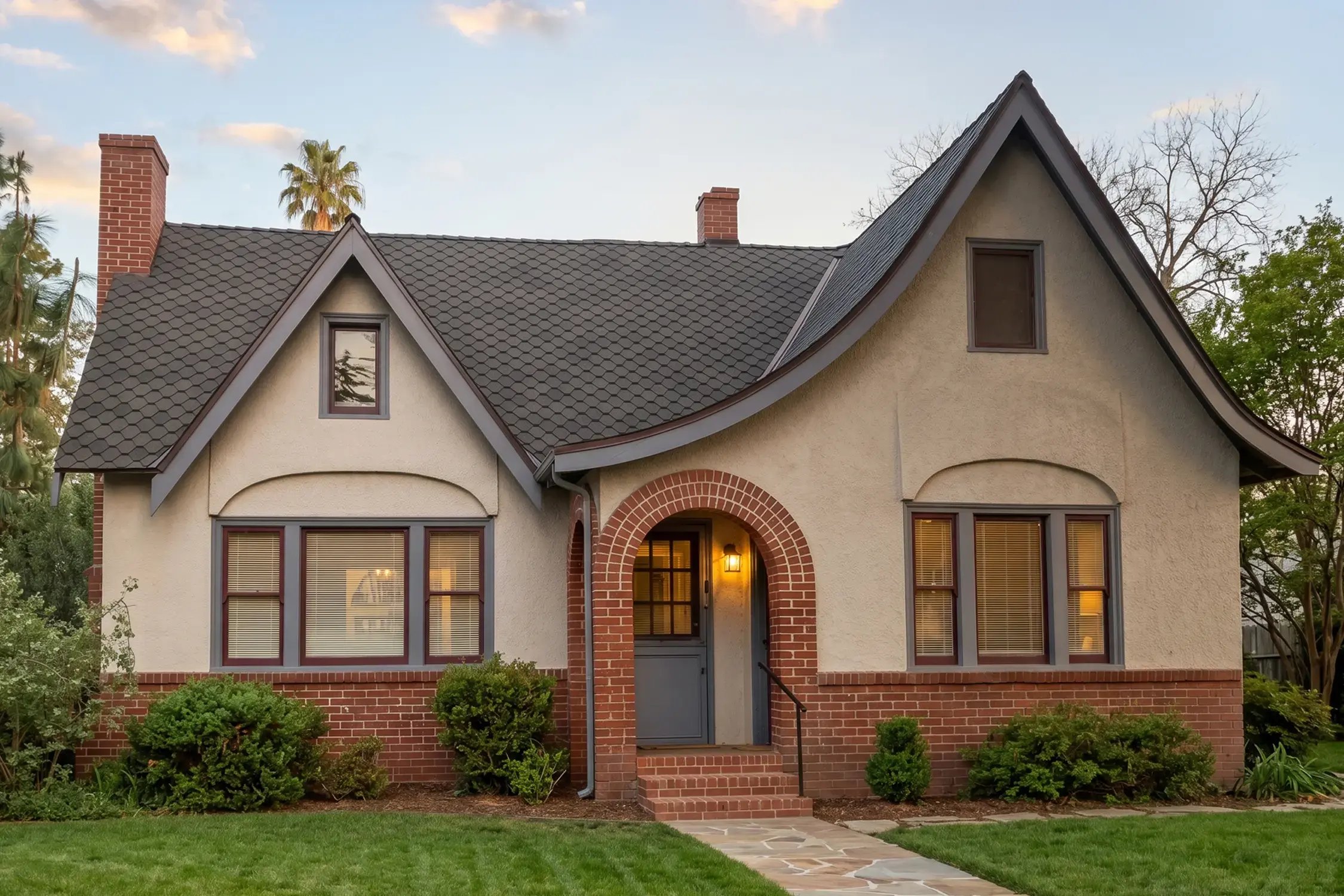
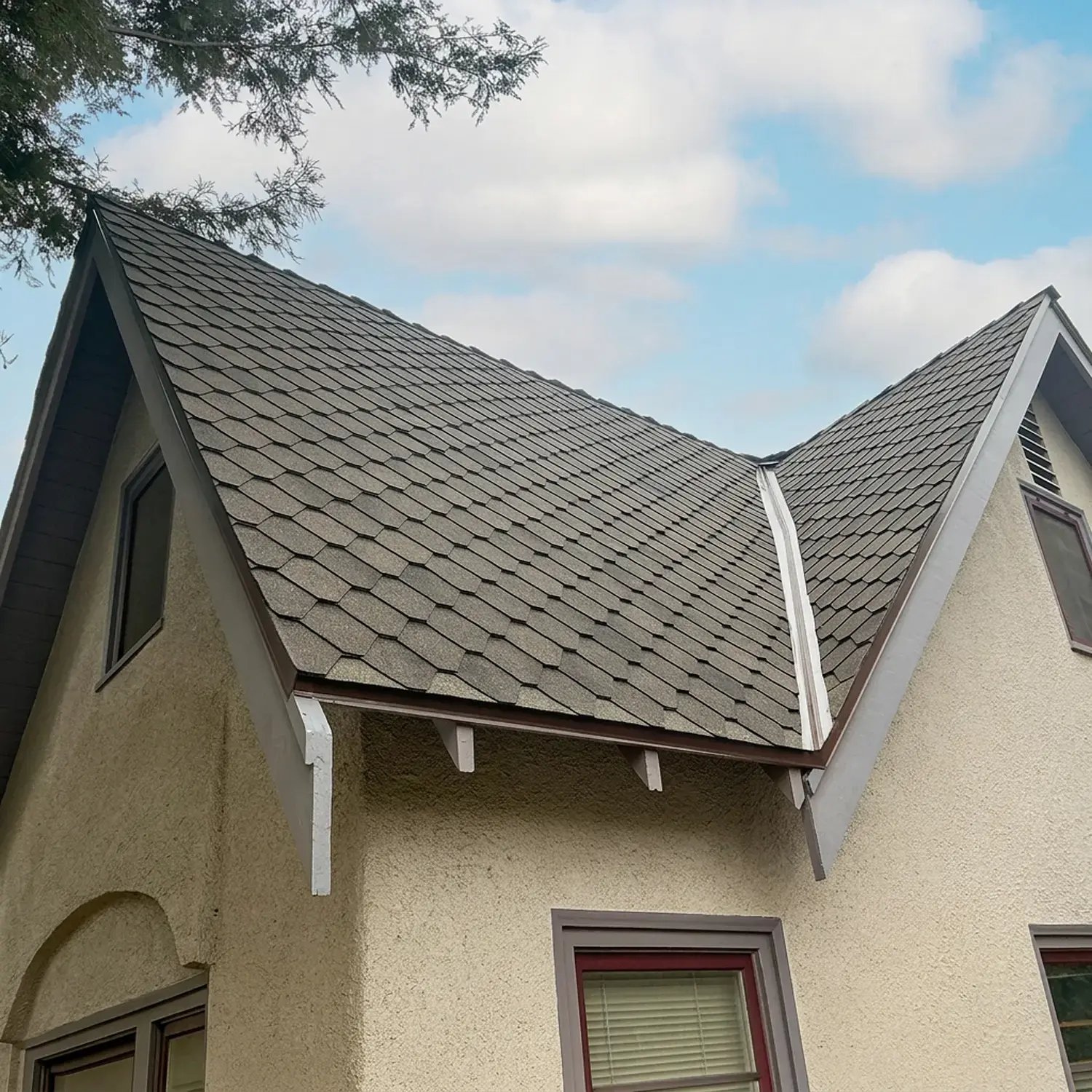
After The finished roof keeps the cottage looking like itself, sound and weather-tight this time.
You can see the original roof above, worn thin at the ridges with debris settling into the valleys. Before anyone talked about shingle colors, we had one job, and that was to confirm what we were dealing with and handle it the right way. We brought in a licensed environmental firm to sample and test the roof before a single tile came off.
What we confirmed before we started
The lab pulled six asbestos samples and two lead samples and put the results in writing. Once the material was confirmed as asbestos transite, this stopped being a roofing job that starts on day one and became a sequenced job that starts with abatement.
That distinction is where a lot of homeowners get burned, because a crew that tears off asbestos transite without containment is creating a health and legal problem, not saving anyone time.
People want to know why we didn't just start roofing. The answer is you legally and safely can't. That roof was asbestos transite, so it gets tested, notified to the air-quality district, and removed under containment by a licensed crew first. We built the whole schedule backward from that.
Saul · Project Manager
So we coordinated the licensed abatement crew, who set up HEPA containment, filed the required 14-day notification with the air-quality district, and removed and disposed of the asbestos transite and roofing felt under negative pressure. That work runs on its own clock and its own certification, and holding the line on it is part of what you are hiring a general contractor to manage.
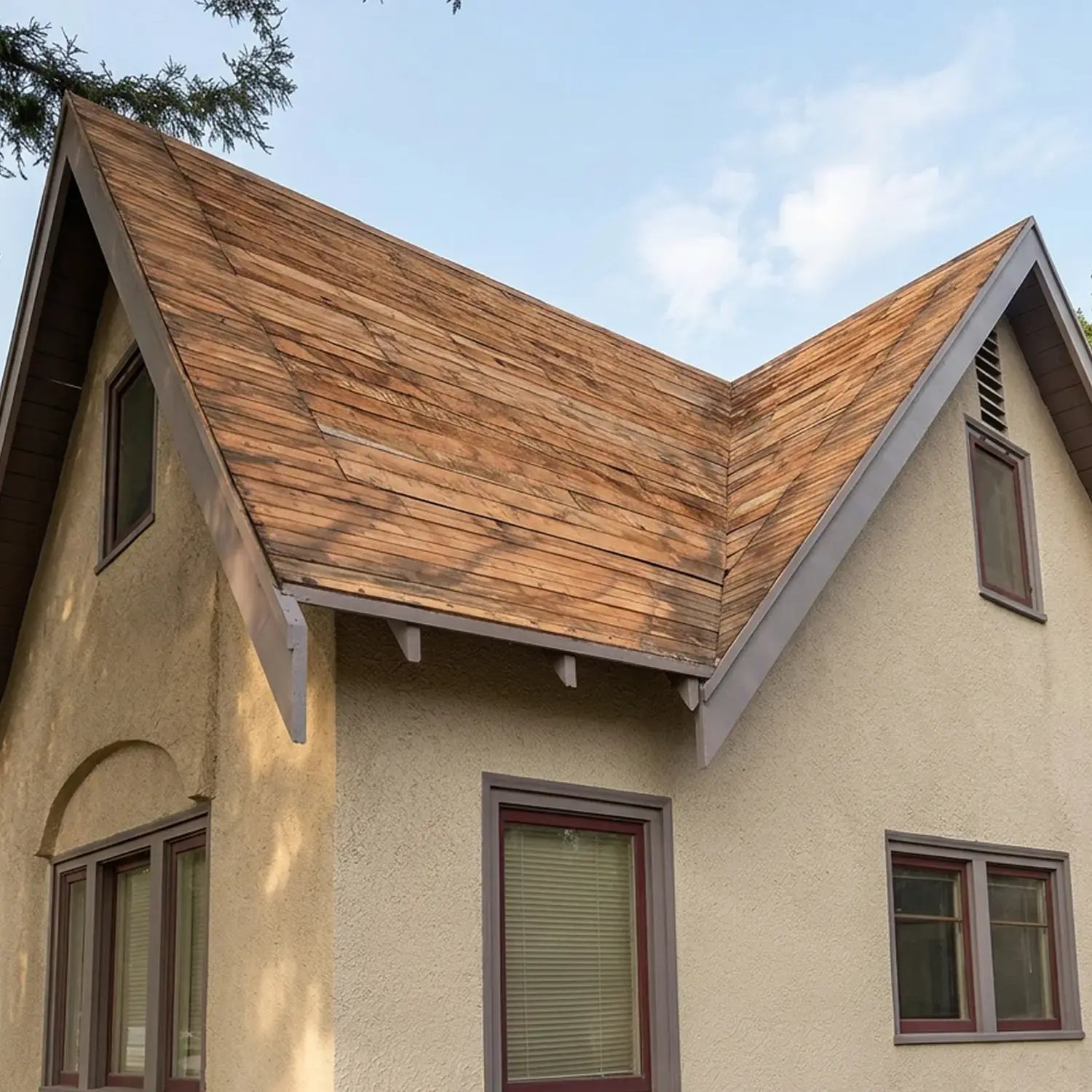
During With the old roof gone and the deck exposed, we could finally inspect the wood underneath.
How we sequenced the job
1
Test the roof
Licensed firm samples for asbestos and lead, results in writing.
2
Notify and abate
14-day air-quality notification, HEPA containment, transite and felt removed under negative pressure.
3
Tear off and inspect
Old covering cleared, roof deck exposed and inspected plane by plane.
4
Re-sheet the deck
Roughly 100 linear feet of failing deck replaced before anything went back on.
Deck inspection is where honest roofers and optimistic ones part ways
Under the old covering we found roof deck that would not have held up under a new system, so we re-sheeted roughly 100 linear feet of it before anything went back on. Skipping that step hides the problem for a year and lets it come back through your new roof.
Then came the part that made this roof its own animal: the shape.
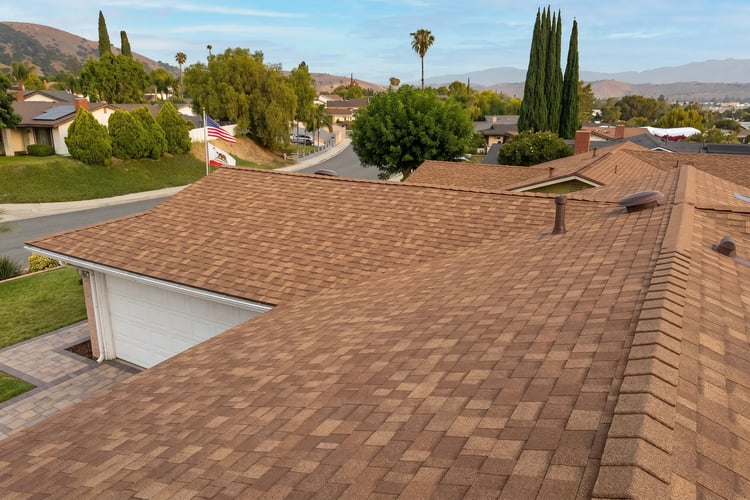
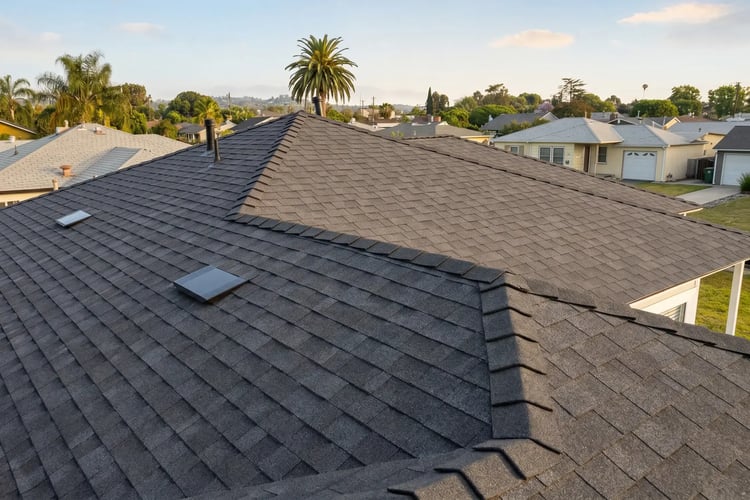
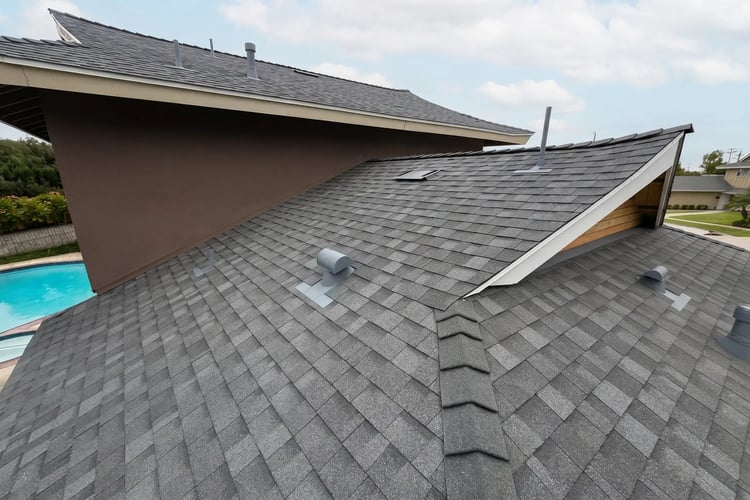
This cottage has a steep pitch and a sweeping curved catslide eave, the bell-shaped sweep that rolls down over the arched brick entry. That curve is charming from the street and unforgiving on the roof, because a rigid shingle has to follow a bend without buckling or gapping. We ran PABCO Cascade shingles in the Oakwood color, cut in the signature fish-scale pattern, which echoes the scalloped character of the original tile instead of flattening the house into a generic composition roof.
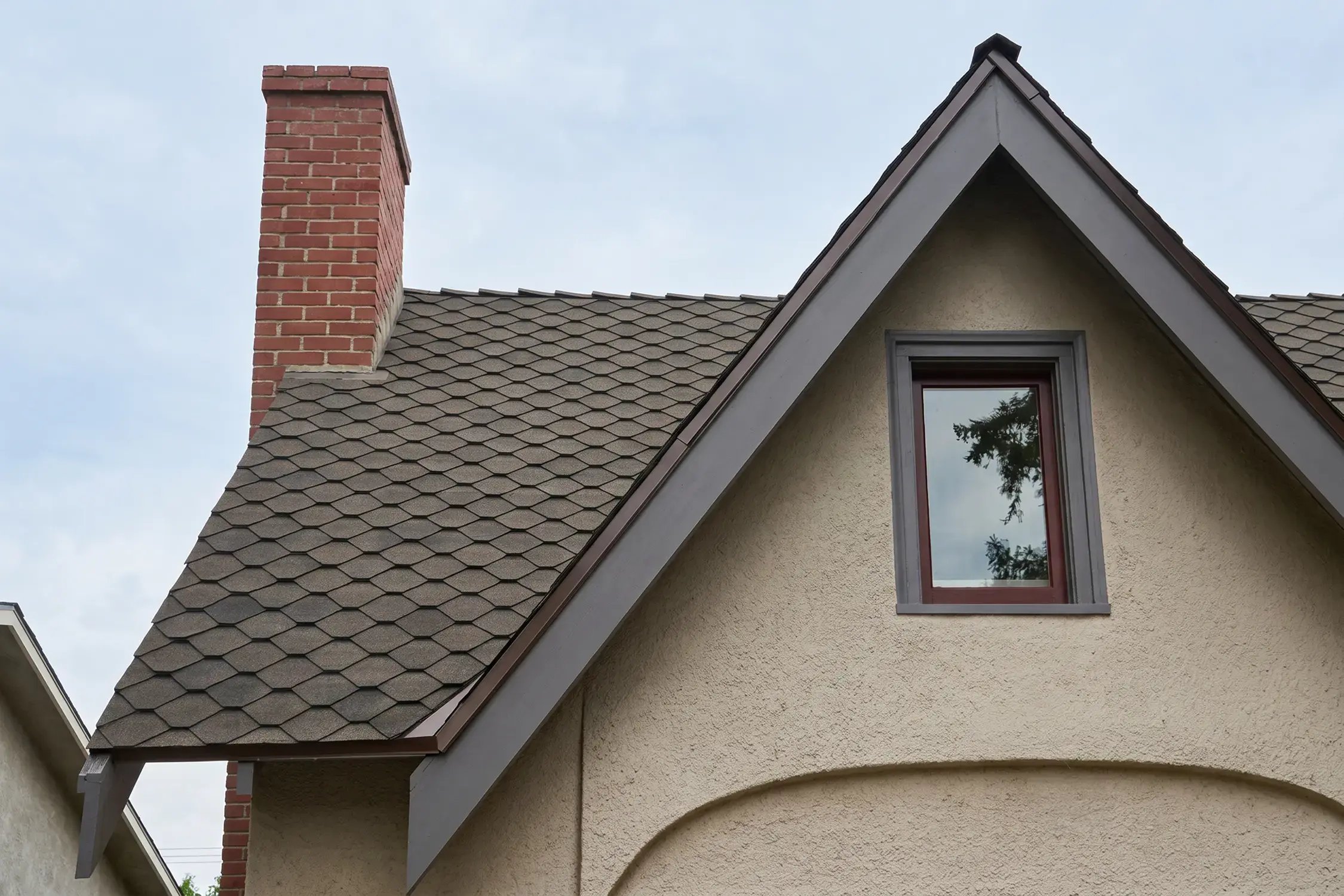
After New fish-scale shingles and red brick chimney at the front gable.
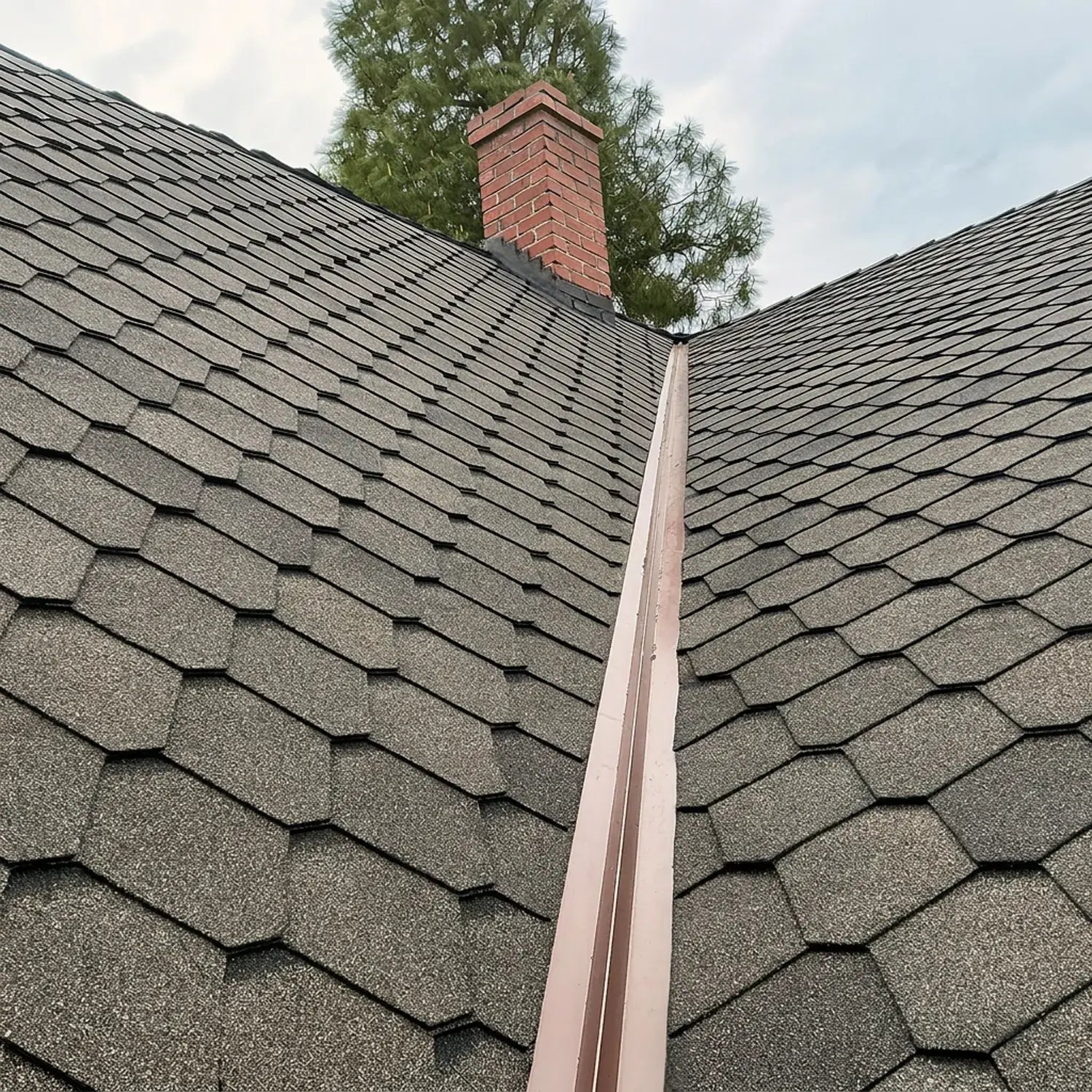
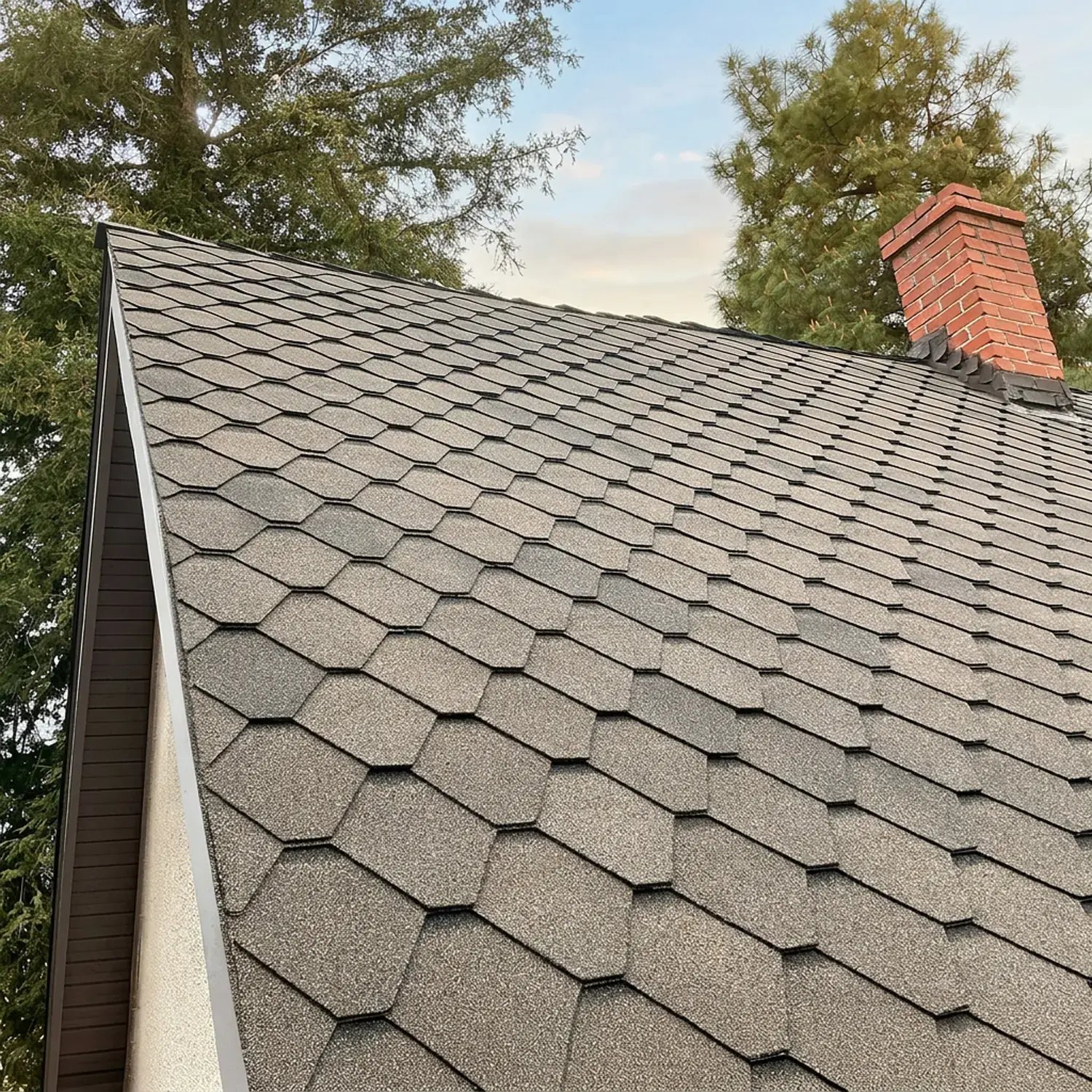
After Close-up of the PABCO Cascade hexagonal cut beside the chimney.
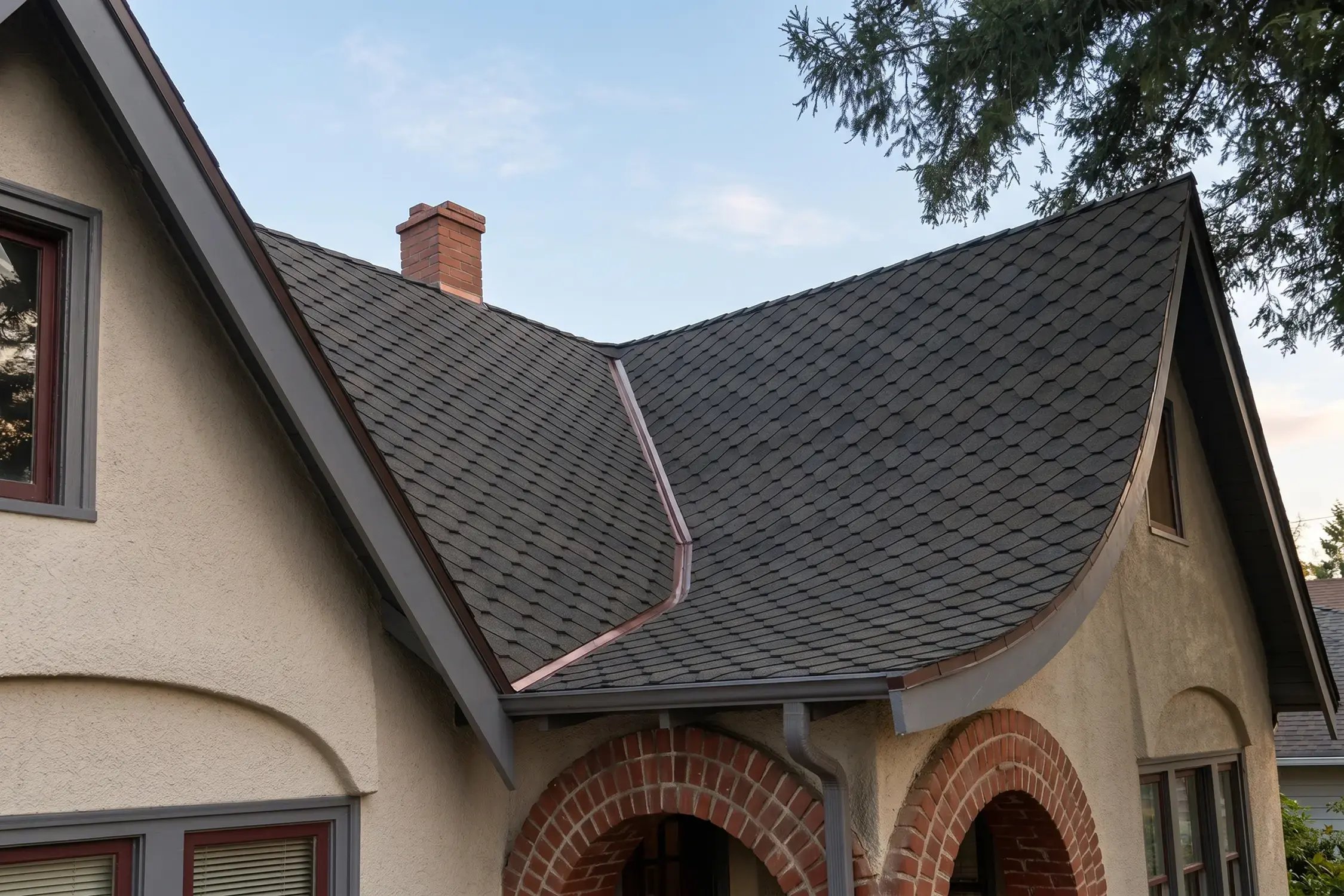
The copper valleys and that curved eave are where you earn it. We wanted the new fish-scale pattern to carry the same rhythm the old tile had, and we set copper in the valleys because it lasts and because it looks right on a house this age. Get the layout wrong on that sweep and the whole roof reads crooked.
Saul · Project Manager
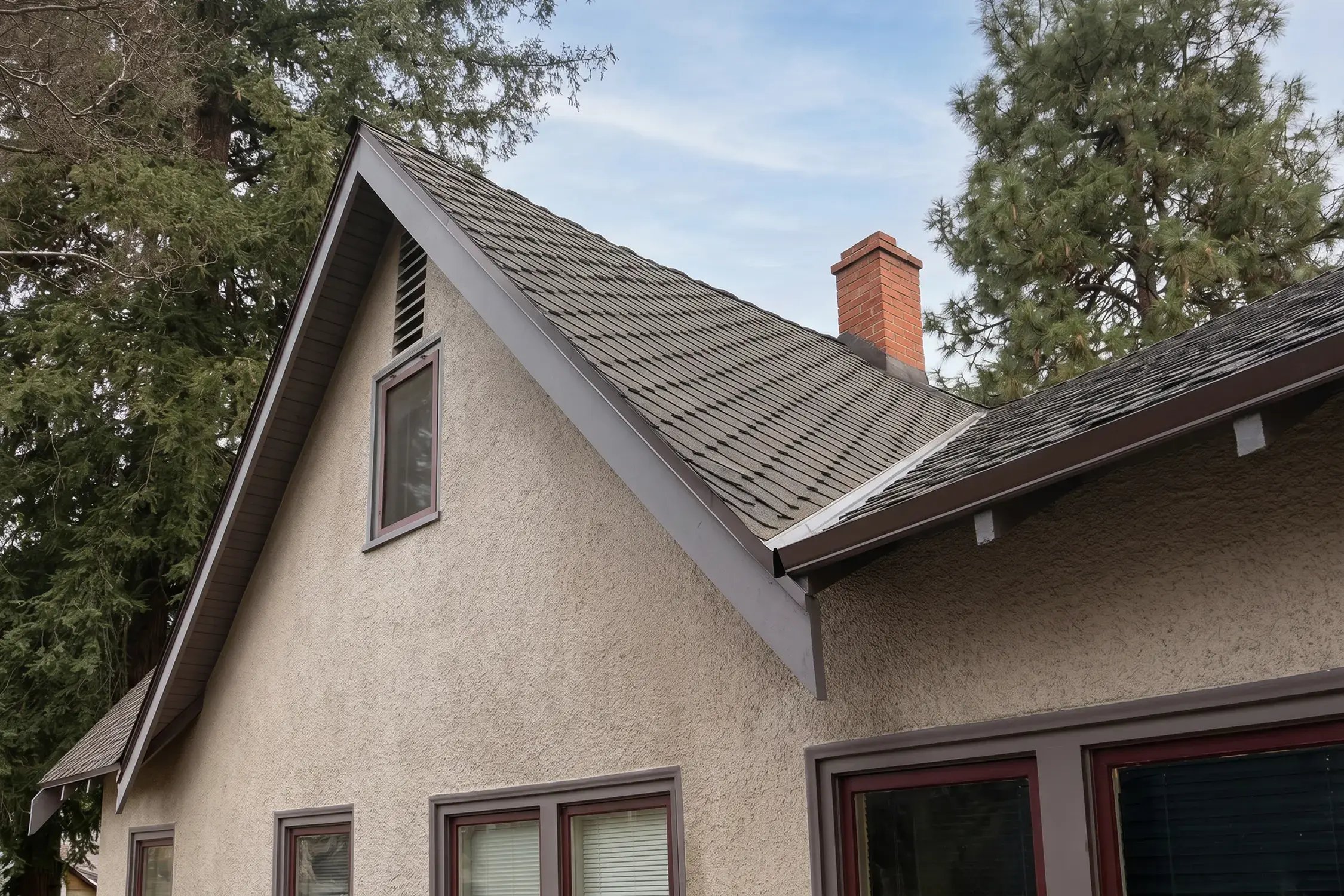
After Copper valley flashing running above the arched brick entry.
After Copper valley detail between fresh charcoal shingle fields.
Materials used
PABCO Cascade shingles · Oakwood
GAF Deck Defense
WeatherLock leak barrier
Copper valley flashing
Brown 2″ edge metal
High-profile ridge
Under the shingles we laid GAF Deck Defense as the underlayment and set WeatherLock leak barrier at the vulnerable areas, then finished with brown edge metal and a high-profile ridge to match the roofline. The copper valley flashing shown above does two jobs at once: it channels water off a complex roof with several intersecting planes, and it gives the house a material that ages gracefully instead of streaking.
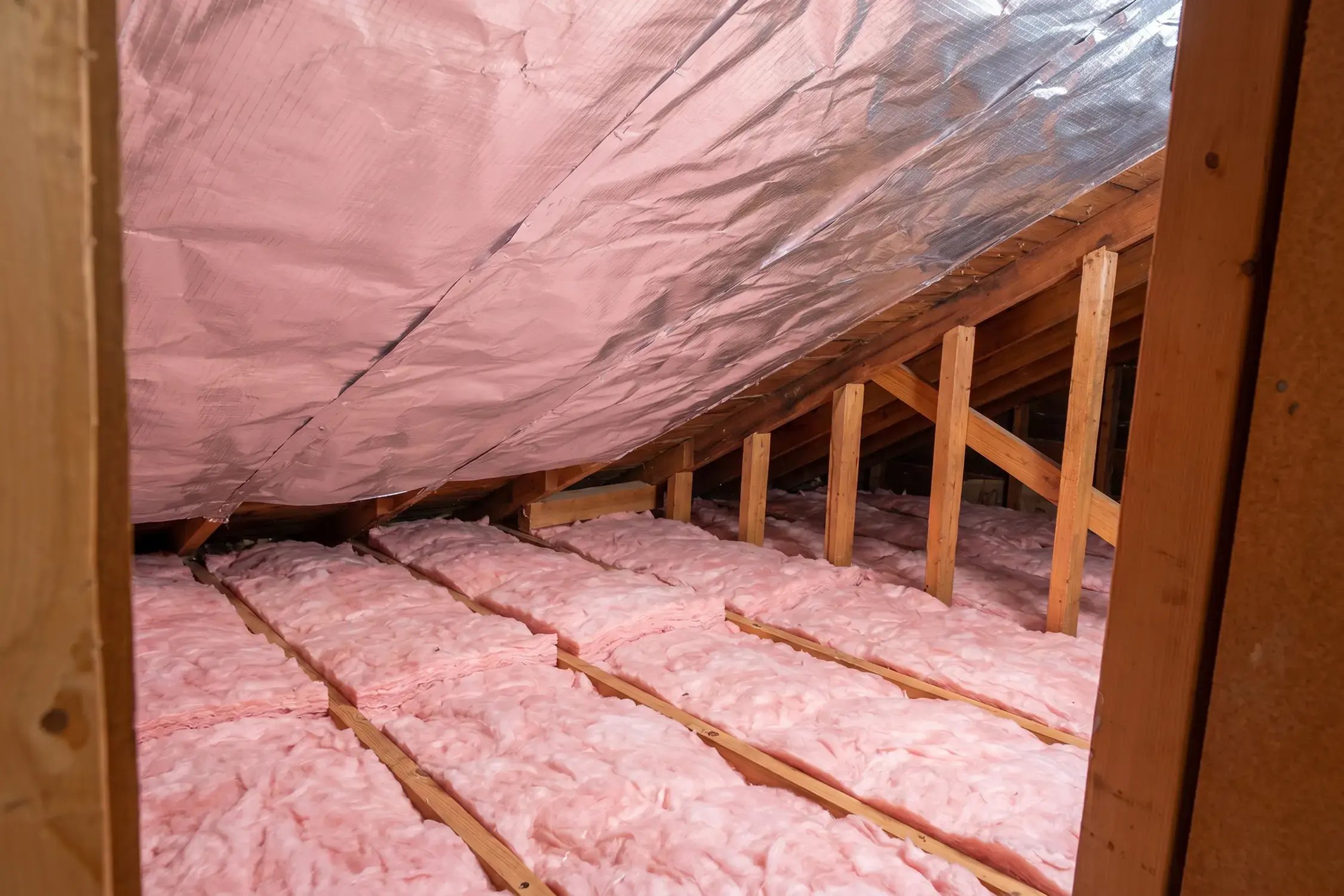
While the roof was open, the homeowner added a comfort upgrade by change order. We installed a radiant barrier in the attic, the foil layer over the rafters above the fiberglass batts. On a Southern California roof that bakes in afternoon sun, that reflective layer pushes radiant heat back out before it loads into the living space, which is a small line item that pays for itself in summer.
During New foil radiant barrier over the rafters, above fresh fiberglass batts between the joists.
24roofing squares recoated
100 ftof roof deck re-sheeted
4 daysof licensed abatement before roofing began
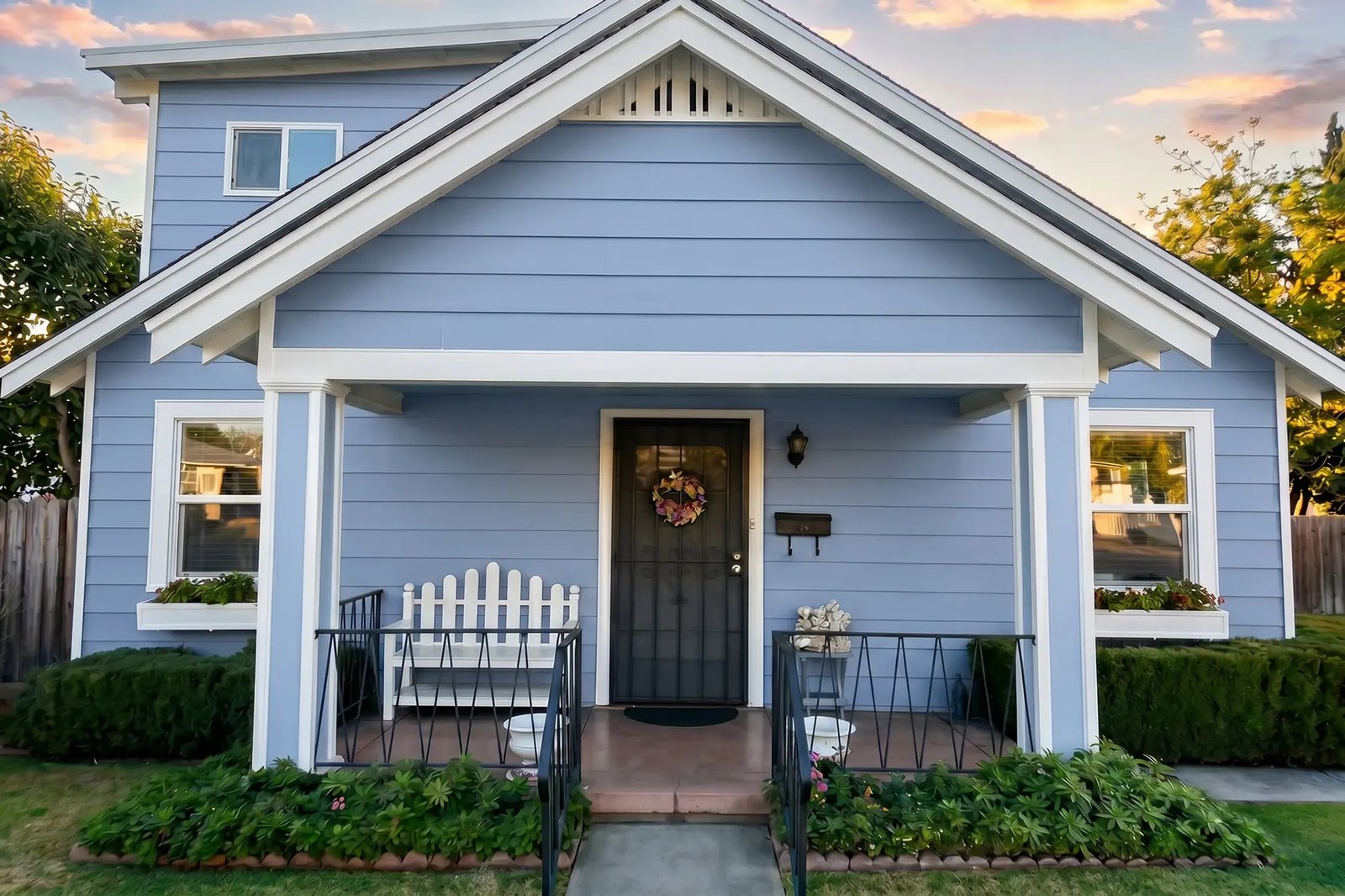
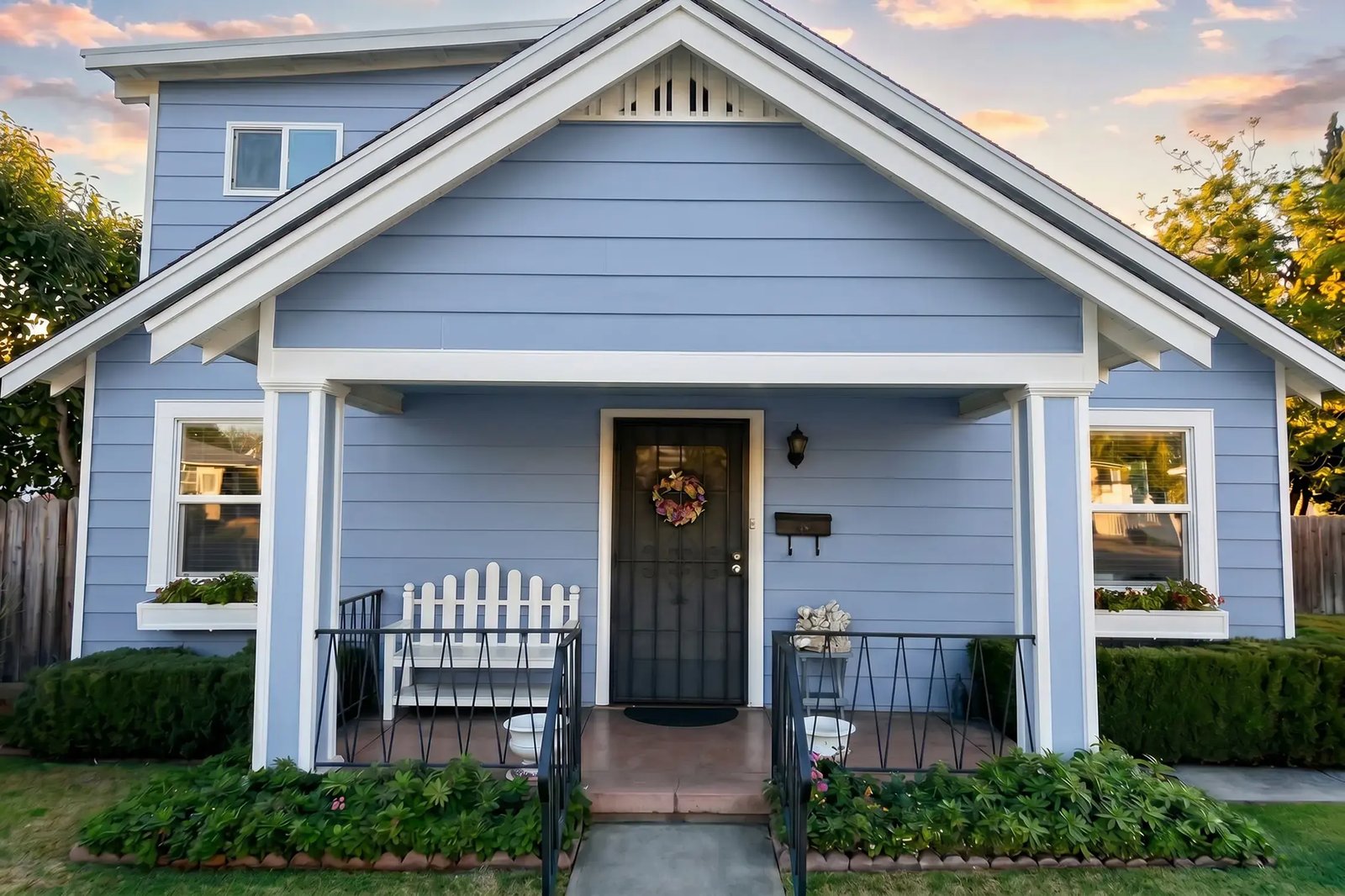
The finished roof, shown in the front elevation at the top, keeps the cottage looking like itself, only sound and weather-tight this time. This is the kind of residential roofing we do across our Southern California service area: full tear-offs, transite and older roof systems that need careful handling, steep and complex rooflines, and reroofs where the goal is a roof that fits the house and holds up. If your home is telling you it's time, we can walk the roof with you and lay out exactly what it needs.
Looking for a roofing contractor in Orange County?
If this project has you picturing your own home, you're not alone. These are the questions we answer most often for homeowners deciding to move forward, so you know exactly what working with us looks like.
Roofs installed before the 1980s can contain asbestos, especially cementitious "transite" tiles and the felt paper underneath them. You cannot confirm it by looking, it has to be verified through lab testing of physical samples taken from the roof. On this project, a licensed environmental firm collected six asbestos samples and two lead samples and documented the results in writing before a single tile was removed. If your home is from that era, testing first is the safe and legal way to begin any roof work.
No. Asbestos roofing has to be removed by a licensed abatement contractor working under containment, and the required 14-day notification has to be filed with the local air-quality district before the work starts. A standard roofing crew tearing off asbestos material dry releases fibers into the air and creates a health and legal problem, not a shortcut. On this job we sequenced everything around that reality: test the roof, notify the air-quality district, remove the transite and felt under HEPA containment and negative pressure with a licensed crew, and only then start the new roof.
A catslide, sometimes called a sweeping or bell eave, is a roofline that curves and rolls down lower on one side, like the sweep over this cottage's arched brick entry. Shingling a curve takes extra layout and hand-cutting so the shingle courses follow the bend without buckling or leaving gaps. It is slower, more skilled work than shingling a flat plane, which is why a complex or curved roofline generally costs more than a simple gable roof of the same square footage. Getting the layout right on that sweep is what keeps the finished roof from looking crooked.
A roof replacement is the easiest and most cost-effective time to address attic insulation, because the access is already open and a crew is already on site. On this project the homeowners added a radiant barrier in the attic by change order while the roof was off. In a hot Southern California attic, a radiant barrier reflects radiant heat back out before it loads into the living space below, and bundling it with the reroof avoids paying to mobilize a separate crew for it later.
A project manager visits your home, measures, and helps you plan the work around your budget. Free, no-obligation estimates for construction, remodeling, and renovations across Los Angeles and Orange County.
Thanks for reaching out. Our team will be in touch within one business day to schedule your home visit.
TALK TO A PROJECT MANAGERSpeak With a Real Project Manager
Have a project in mind or need to think it through? Talk it over with a dedicated project manager who can answer questions and walk you through your options, with no pressure.
Thanks for reaching out. A project manager will call you back within one business day to talk through your project. No pressure, and no obligation.A project manager will call you to talk through your questions and concerns. No pressure and no obligation.
ASK US ANYTHINGHave a Question? We're Happy to Help.
Ask about your project, our services, timelines, or anything else. A real, local representative will get back to you, with no obligation and no pressure.
Thanks for reaching out. A real, local person will get back to you within one business day with an answer. No obligation.Ask anything, big or small. A real person on our local team will get back to you, with no obligation.
FREE IN-HOME CONSULTATIONBook Your Free Consultation
A project manager comes to your home, measures, and looks at what's actually there before quoting anything. You get a written price before they leave. No obligation, anywhere in Los Angeles or Orange County.
We've got your request. A project manager will reach out within one business day to book your visit.The consultation is free with no obligation. We will call to confirm the details and find a time that works for you.