

01
Free attic inspection
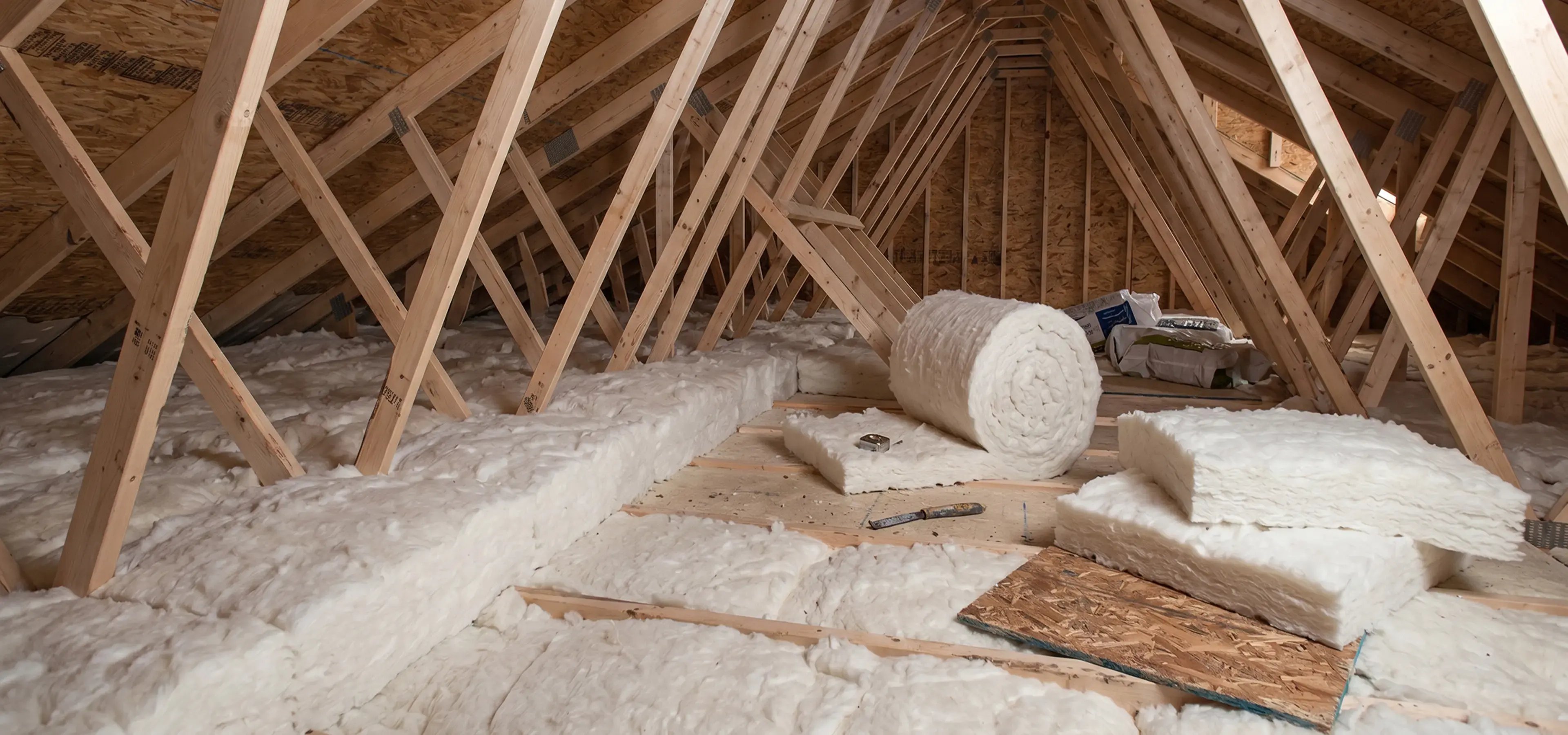
No-cost visitWe start in your attic, checking insulation depth and condition, air leaks, ventilation, and ductwork, so we understand the real problem first.
Los Angeles & Orange County
We seal the air leaks first, then insulate to the right depth, so your rooms hold their temperature and your AC works less. Local, licensed, and inspection-led from the first visit.
Why the Attic Matters
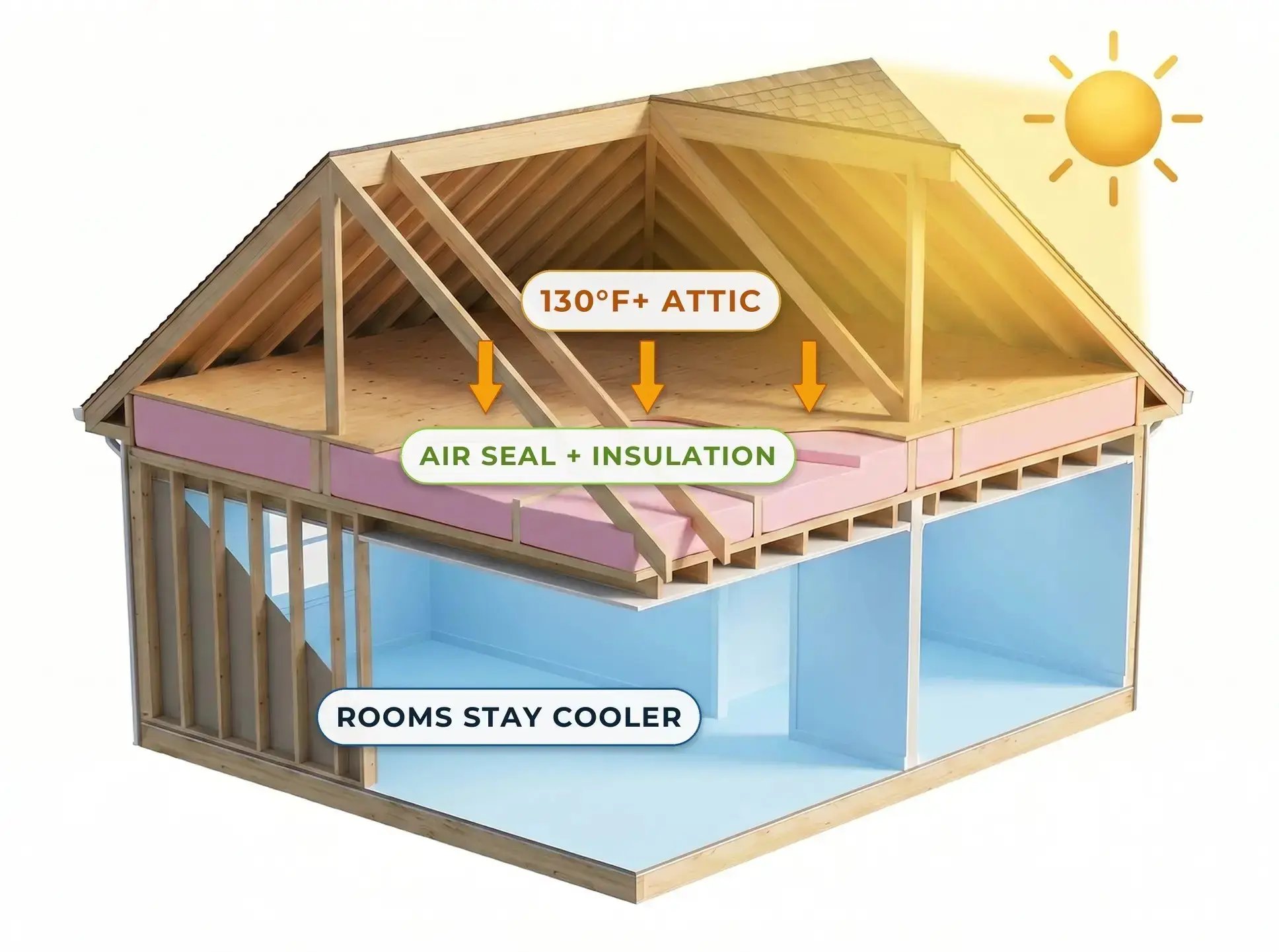
On a hot afternoon in Los Angeles or Orange County, the sun bakes your roof and your attic can climb past 130 degrees, far hotter than it is outside. Heat always moves toward cooler space, so that trapped attic heat pushes down through the ceiling into your rooms, and your AC spends the day fighting it.
Two things let it happen: gaps that leak air, and insulation that is thin, settled, or missing. The fix is to do both, in order, seal the leaks first, then insulate to the right depth.
Our Process
We check your attic before we recommend a thing, then keep the work clean and clear, all the way to the final walkthrough.
We start in your attic, checking insulation depth and condition, air leaks, ventilation, and ductwork, so we understand the real problem first.
We recommend the right material and R-value, lay it out in a clear written estimate, and flag any utility rebates you qualify for.
If your insulation is settled, soiled, or rodent-damaged, we remove and dispose of it cleanly so the new work performs from day one.
We seal the gaps at the attic floor, recessed lights, and hatch first, because insulation works best once the air leaks are closed.
We install your new insulation evenly to the depth your home needs, protecting your floors and living space as we work.
We clean up completely, walk the finished attic with you, and handle the rebate paperwork so you get the savings you earned.
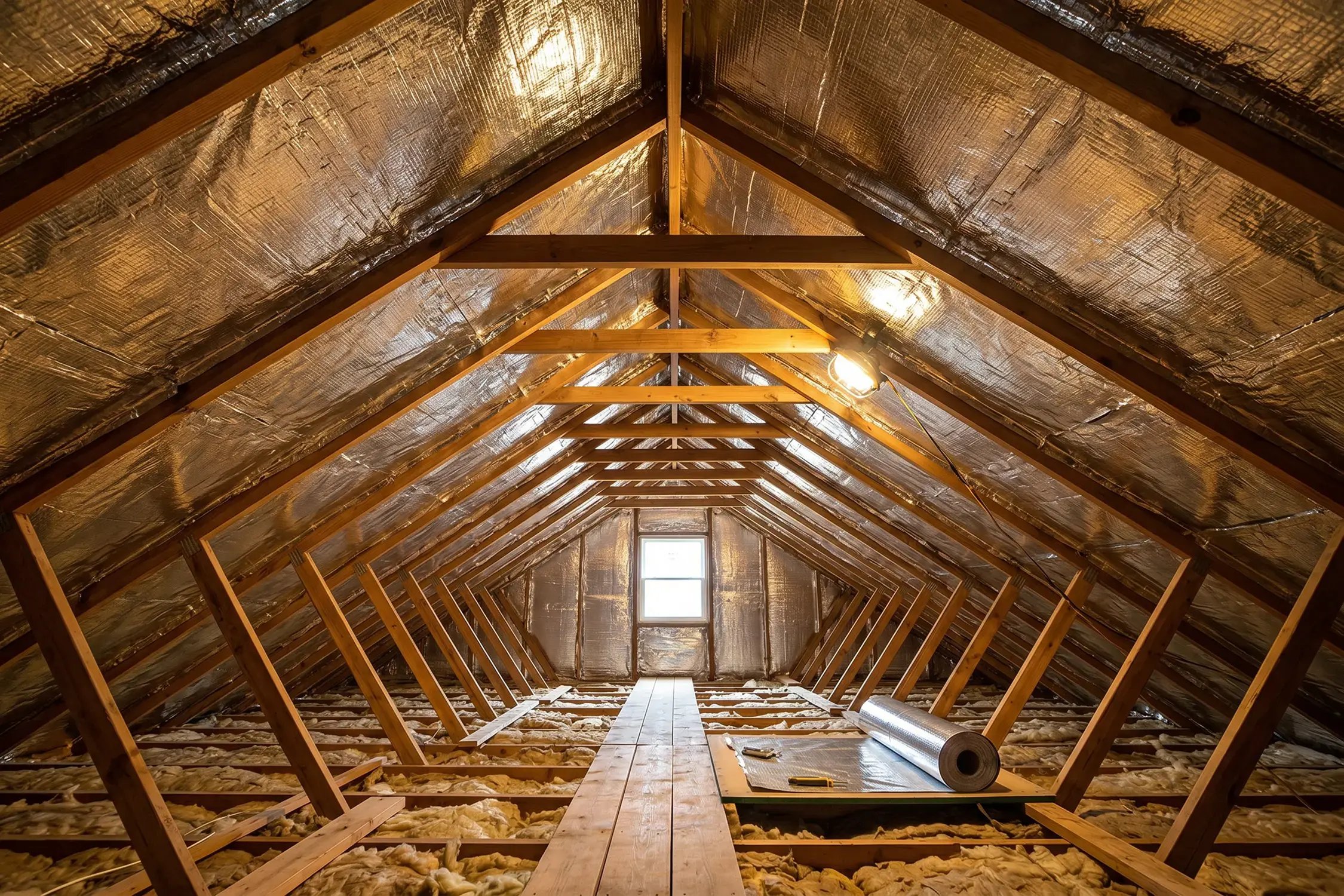
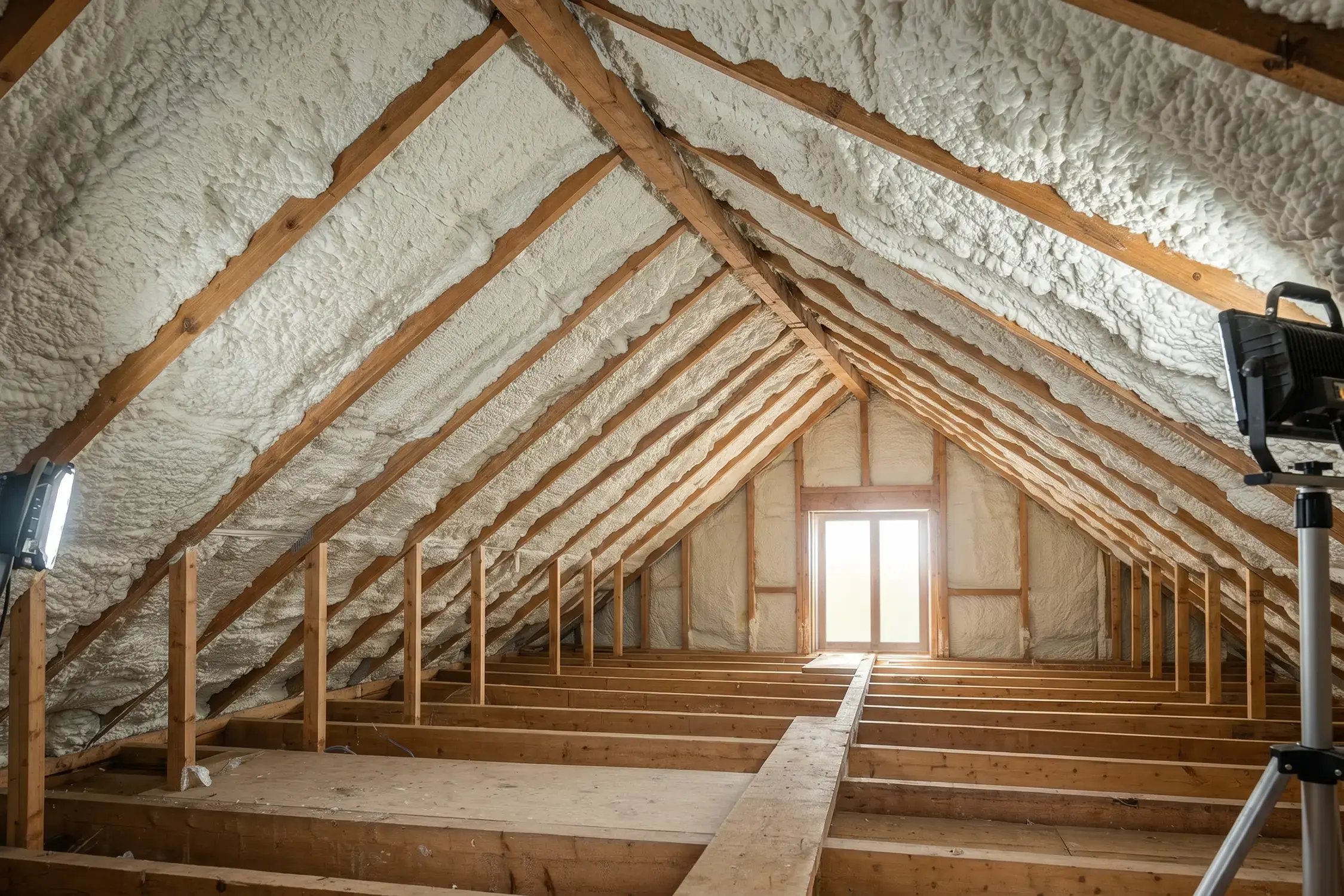
Rebates & Permits, Handled
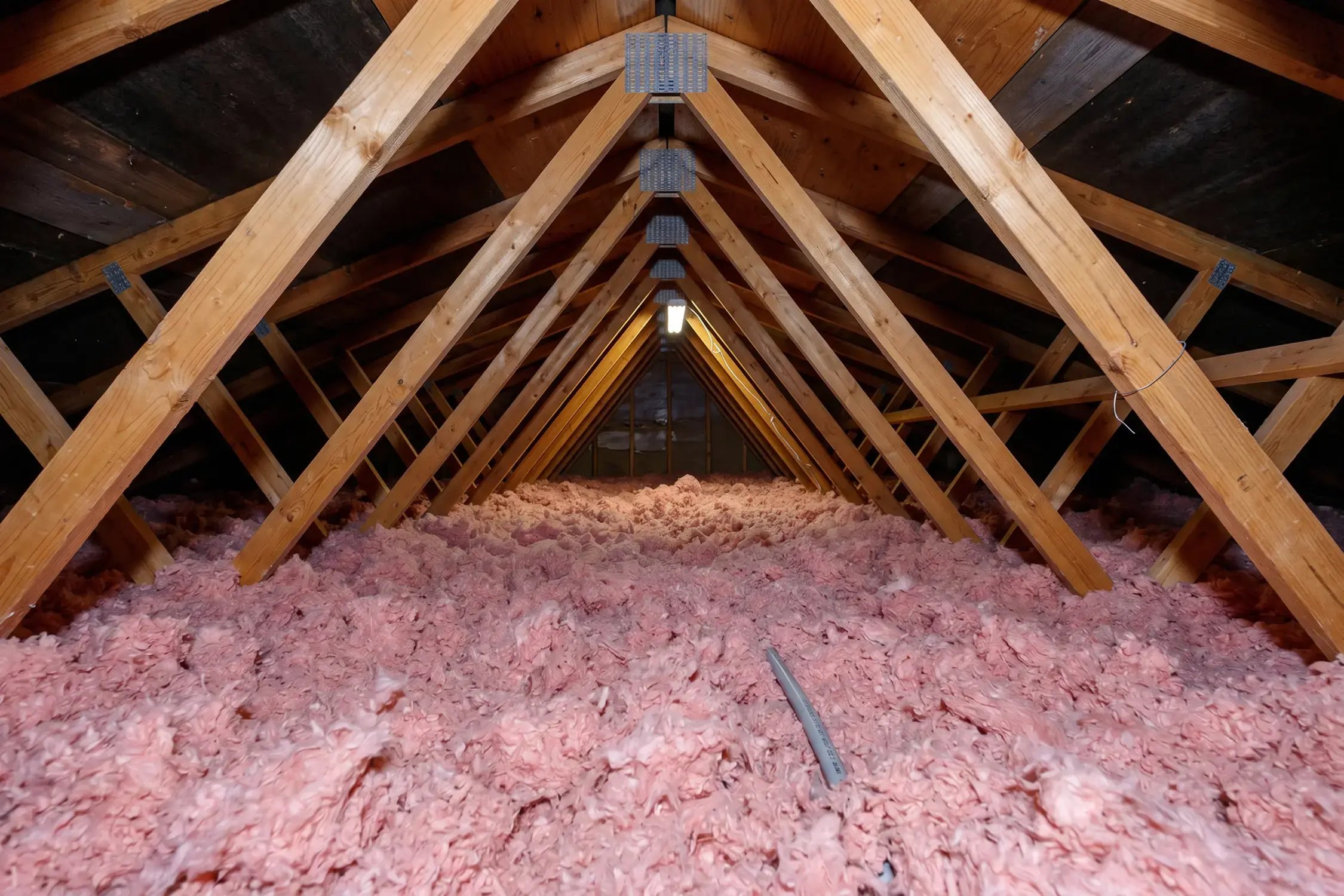
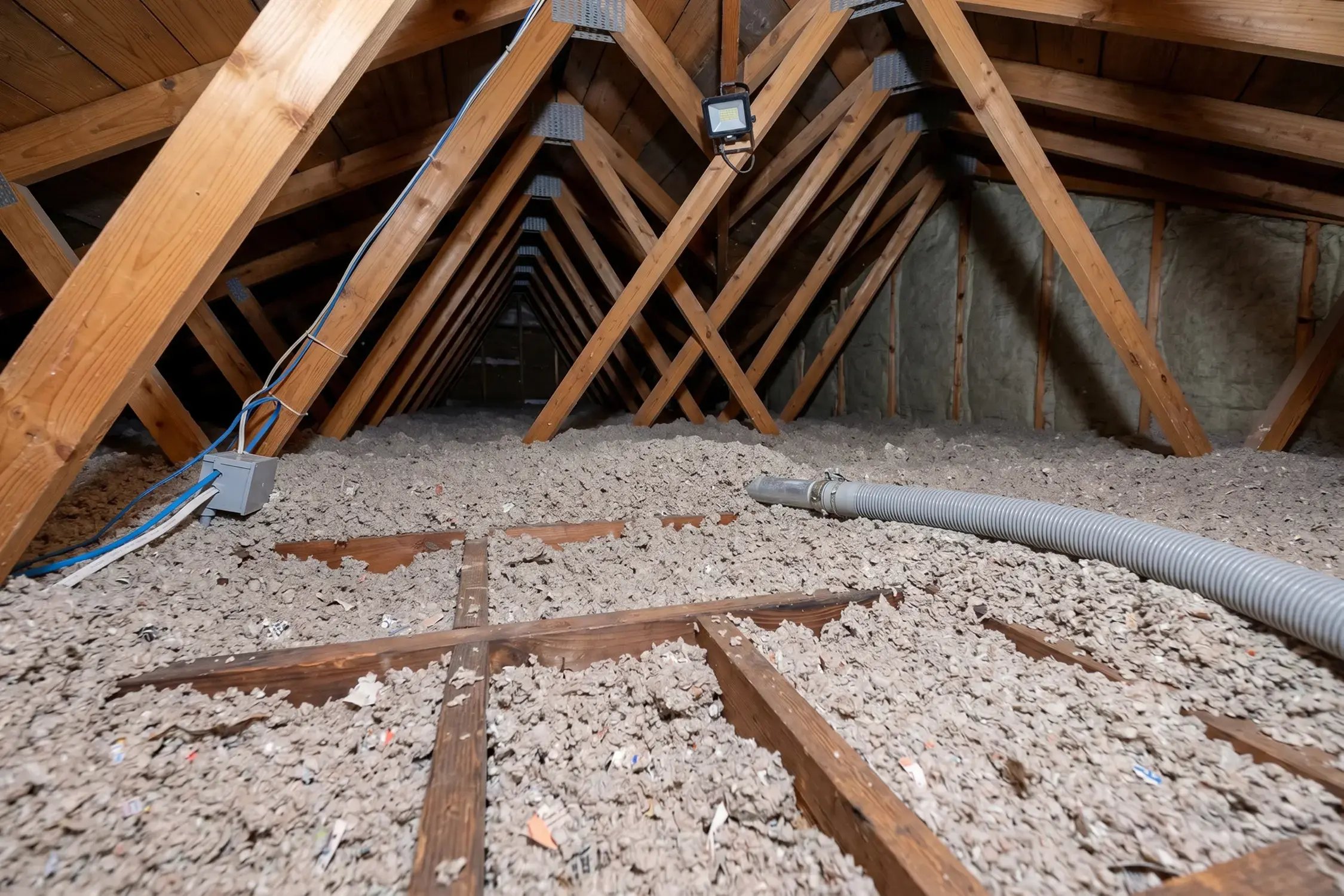
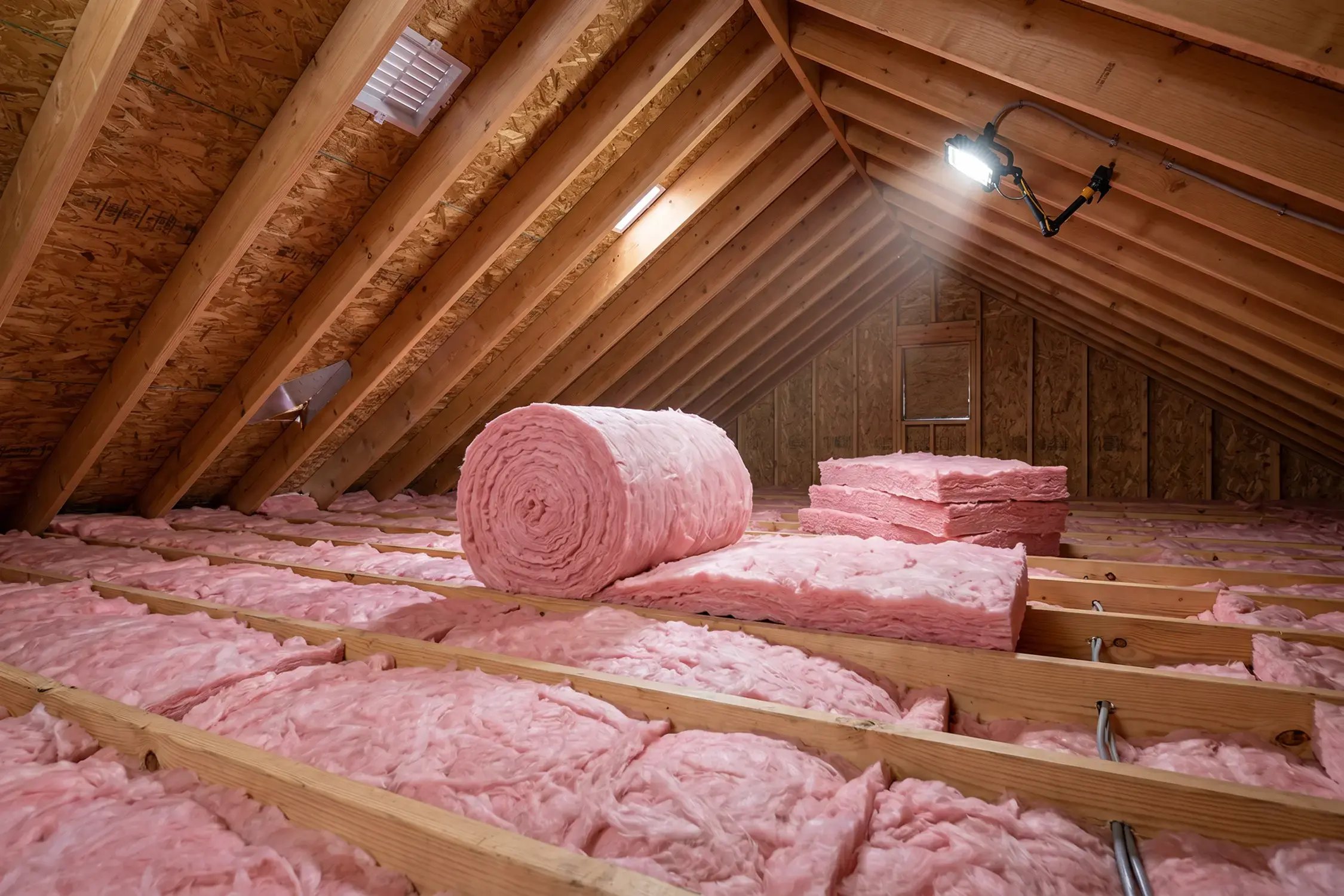
Depending on your utility, programs like the LADWP Attic Insulation Rebate can cover a meaningful share of an attic insulation project, but only if the work is done to code, documented correctly, and filed on time. We handle that whole side, so the savings you're owed don't slip through the cracks.
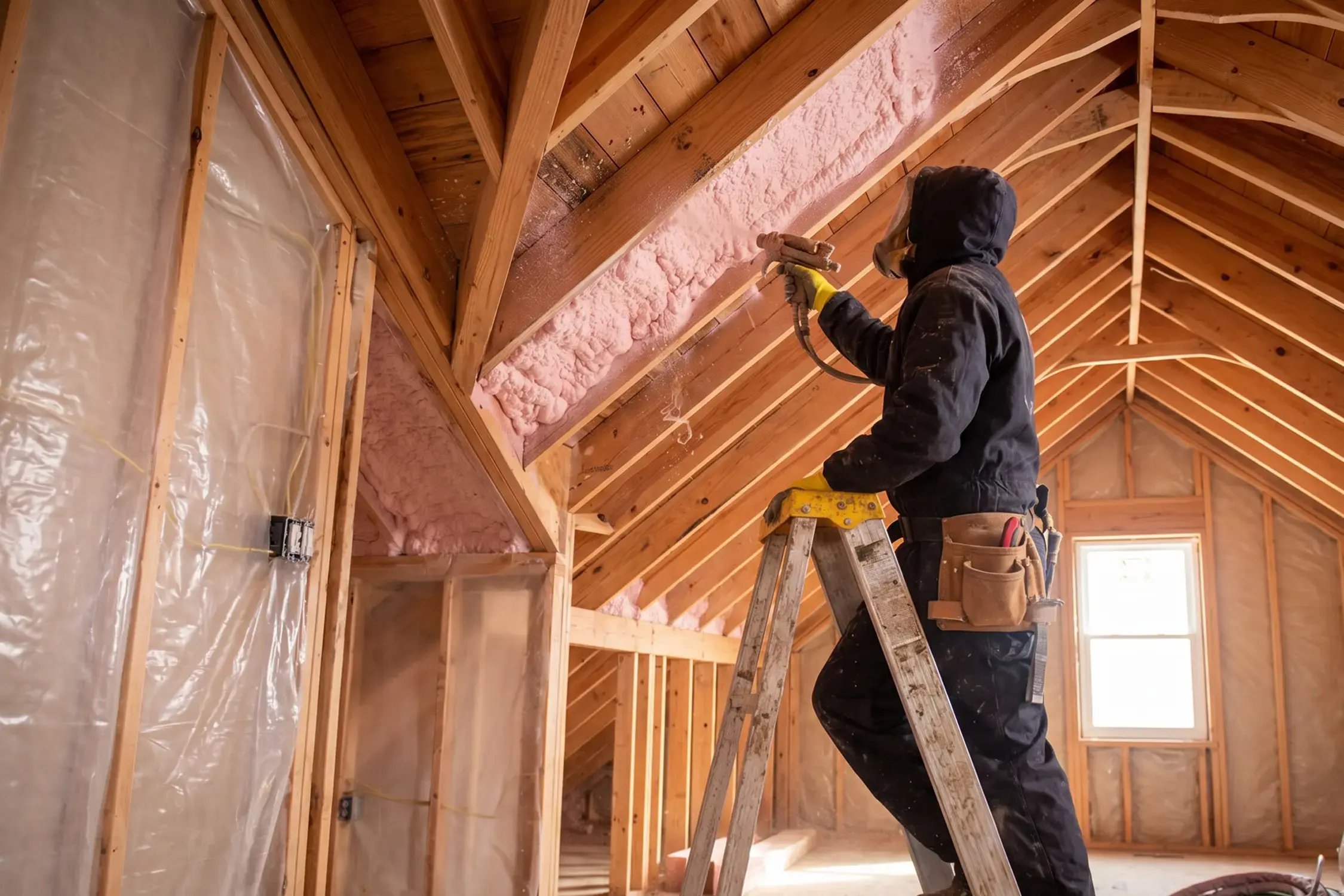
Utility rebate programs change often and funds are limited. We check which ones apply to your address and utility, tell you what you actually qualify for, and file the paperwork start to finish, so you never chase forms or deadlines.
We install to the right R-value for your area and pull permits when your city requires them, so the job is inspection-ready. That same code-compliant work is usually exactly what the rebate programs require, too.
What we handle for you
Rebates vary by utility, funds are limited, and not every home qualifies, so we'll always tell you straight what's available for your address before you commit.
THE HYBRID DIFFERENCE
Hiring a contractor is an act of trust. Here's what every homeowner gets with Hybrid Renovations, in writing, on every project.
One name and one number from your first estimate to the final walkthrough. You're never bounced around or left guessing who's in charge.
A clear written scope and price up front. You know exactly what's included before any work begins.
We stand behind what we build. If something isn't right, we come back and make it right.
A free, no-obligation estimate on the calendar fast, usually within a day of reaching out.
We recommend what your home actually needs. The price we quote is the price you pay.
Hablamos español. We walk through your project in the language you're most comfortable with, so nothing gets lost.
Flexible payment options with approved credit, so the right time to start doesn't have to wait.
Ready when you are.
Free estimate, scheduled within 24 hours.
Request a Free EstimateReviews
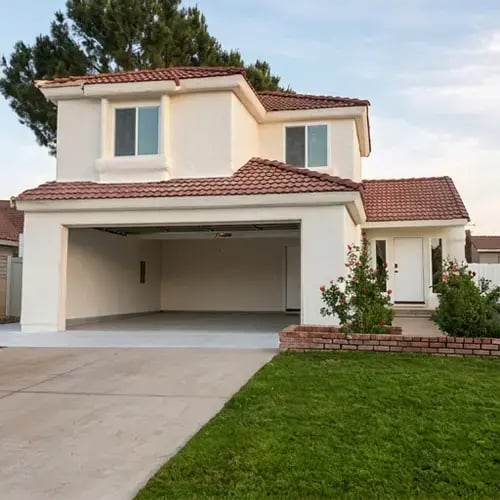
“Hybrid Renovations did a fantastic job with windows and paint for my home. Super clean, professional, and fast. These guys will totally exceed your expectations and have your home looking like the model home of your block! Thanks, Saul, Joseph, Peter, and Carlos. You guys helped make our house a home. Thank you.”

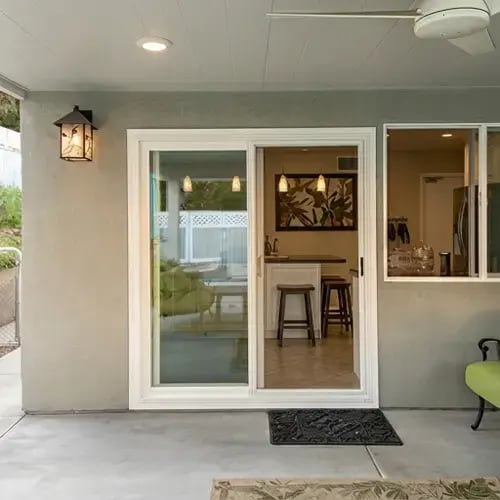
“Hybrid Renovations changed our lives with a quality product. I had old, worn-out, and drafty aluminum window frames that became difficult to slide after 40 years. Hybrid Renovations replaced our windows and sliding patio door with beautiful and easy-sliding windows and a patio door. Cutting down outdoor noise and dust is a plus. Fast and efficient teamwork. Thank you, Hybrid Renovations!”

“Hybrid Renovations was very professional with their work. At our home, they did our stucco, paint, and windows. The crew was always on time and very cautious with their work. They were also very patient with us when it came to window installations due to clearing up the needed space to work around. Overall, an amazing staff, and I would not hesitate to recommend them to friends and family.”

“I was referred to Henry through a friend of mine, and I needed to redo all the windows at my house. His pricing was very competitive, and he was able to get the project done quickly. He also gave me a quote on some other renovations I will be moving forward with in a few months. He's honest, and I would recommend his services to anyone.”

“Hybrid Renovations replaced nine windows. The turnaround time from signing the contract to final work appraisal was about three weeks total. The installers did all nine windows in about four and a half hours! They did a great job cleaning inside and out. The windows are high quality and make my home look even better (also thanks to the exterior paint job in 2023). All personnel are professional and friendly. I trust their work, which is backed by a warranty, and their work ethic is fantastic. Highly recommend.”

“Yes, Hybrid did a good job at my house, from laying the cement down for the patio and installing the patio cover to painting the trim of the house, painting the house altogether, and doing the windows and garage door, plus all the other items that apply to this contract work. Thank you very much. Leo did a great job managing this project for me. Always on top of all updates.”

“Very pleased with their results! Very professional work! They painted the exterior of the house, replaced all the windows, and refinished the wood front door! Excellent communication. Returned all calls and texts promptly. All workers were considerate and willing to answer questions.”
“Hybrid Renovations did a great job on our new windows. We've used them twice now, and not only were the jobs completed quicker than expected, but they were very professional. We will be using them again in the future when we finish the rest of our windows.”

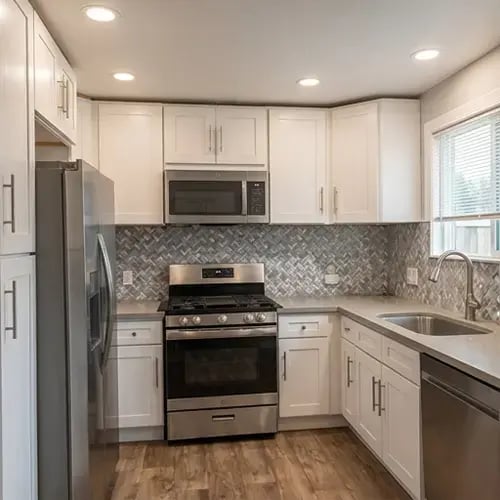
“We had a really great experience with this team. They brought my kitchen vision to life, and it turned out exactly how I wanted. The workers were always respectful and professional, and they would check in often to make sure everything was coming along the way I imagined. They also did a great job keeping things clean during the project. They made sure to clean up any trash or debris from the work, which I really appreciated while the remodel was going on. The project manager was very communicative and always checked in with updates and to see if we needed anything. Overall, the whole process went smoothly, and we're really happy with how our kitchen turned out. I'd definitely recommend them. I'm so happy with my kitchen and got rid of that horrible millennial gray that it had throughout!”

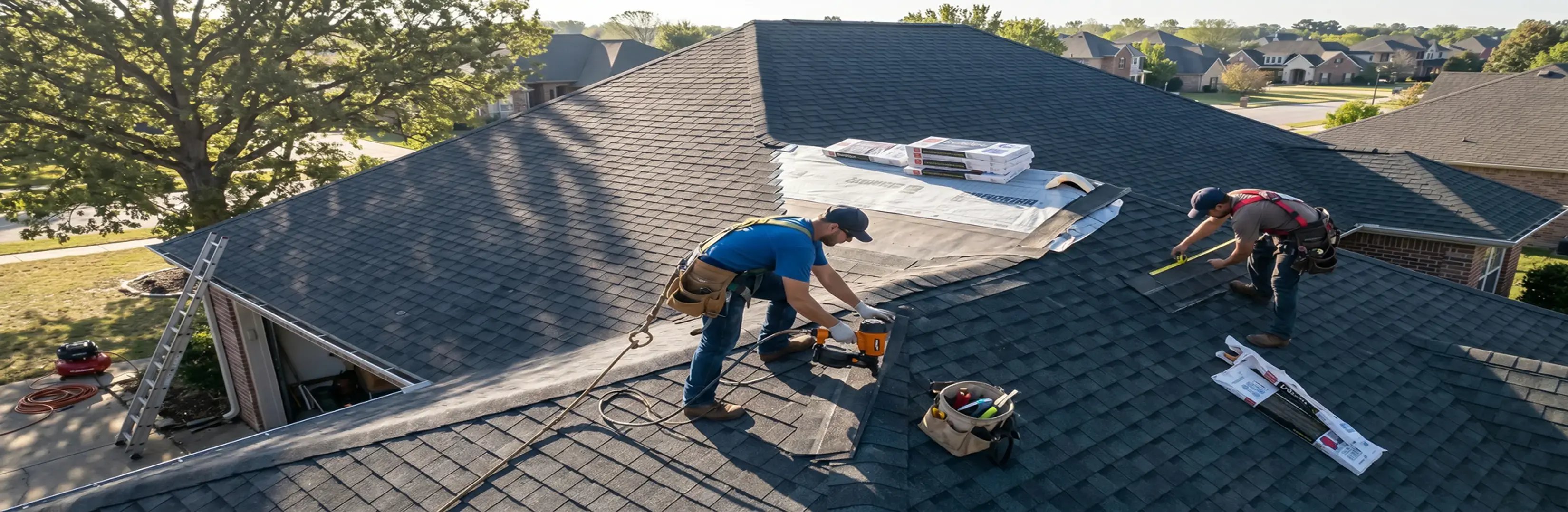
“I recently had Hybrid Renovations reroof my home. After getting several quotes from different companies, I chose Hybrid Renovations. I got a great price on the roof. The salesmen were kind and patient with all my questions. After seeing the quality of the materials and the fact that I was going to get a 50-year warranty, I was happy and confident to have them do the work. The process went smoothly. All of the workers who worked on my home were great. The whole project went very quickly. When it was all finished, I was very pleased. I would highly recommend this company for any work you need done.”
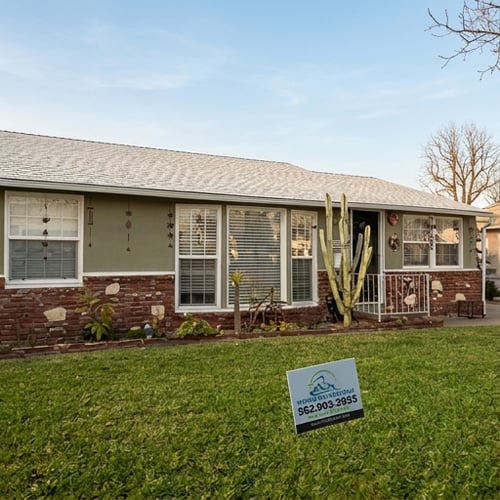
“We had a great experience working with Hybrid Renovations. They were very thorough in their inspection and answered all questions from beginning to end. They were very communicative and responded quickly to questions. The roof turned out great, and they were done very quickly. They were very respectful of our home and left everything nice and clean. I highly recommend this company. In fact, they just completed my father's roof as well. If you are looking for a great roof, look no further than Hybrid Renovations.”
“I recently had Hybrid Renovations replace the roof on my home, and I couldn't be more impressed with their work. From start to finish, the entire process was seamless. The team was professional, punctual, and extremely efficient. Leo, in particular, went above and beyond to ensure everything was done to perfection. He was incredibly knowledgeable, answered all my questions, and kept me updated throughout the project. The quality of the materials used and the attention to detail in the installation were outstanding. I highly recommend Hybrid Renovations for any roofing needs, and a special thanks to Leo for his exceptional service!”

COMPLETE THE JOB ABOVE
 ROOFING
Financing
A whole-house window job is a real number. It doesn't have to arrive all at once. Ask at your free estimate, and financing adds a few minutes to the visit.
Financing available with approved credit. Terms vary by lender and project.
At your estimate
Your project manager runs the application while the quote is still on the table. Most decisions come back in minutes, with approved credit. You see the job as a monthly payment before you decide anything.
All of it, or part
Some homeowners finance everything. Some pay part and finance the rest. Your project manager can show you the monthly number either way, so you pick the split that fits.
Cash or financed
Financing is a way to pay, not a different quote. The itemized price you leave with is the number whether you finance or write a check, and it's good for a year either way.
SERVICE AREAS
We serve homeowners throughout Los Angeles County and Orange County. The cities below are a few of the areas we cover, not a complete list.
Hybrid Renovations is a residential general contractor serving homeowners across Los Angeles County and Orange County. In Los Angeles County we work in cities including Whittier, Downey, La Mirada, Norwalk, Cerritos, Pico Rivera, Bellflower, El Monte, Hacienda Heights, Glendora, Claremont, West Covina, Long Beach, and Pasadena. In Orange County we serve Anaheim, Santa Ana, Garden Grove, Fullerton, La Habra, Brea, Buena Park, Yorba Linda, Orange, Irvine, Tustin, and Huntington Beach, among others. For larger projects, we also work in nearby Inland Empire areas such as Chino, Chino Hills, Ontario, and Corona. The cities listed are examples, not a complete list.
Residential only. If you're not sure whether you're in range, call us at (562) 903-3955 and ask. It's a thirty-second answer.